30 October 2026
Periodontal Treatment Success Rates: What the Research Shows
Presented by @reidlvax530
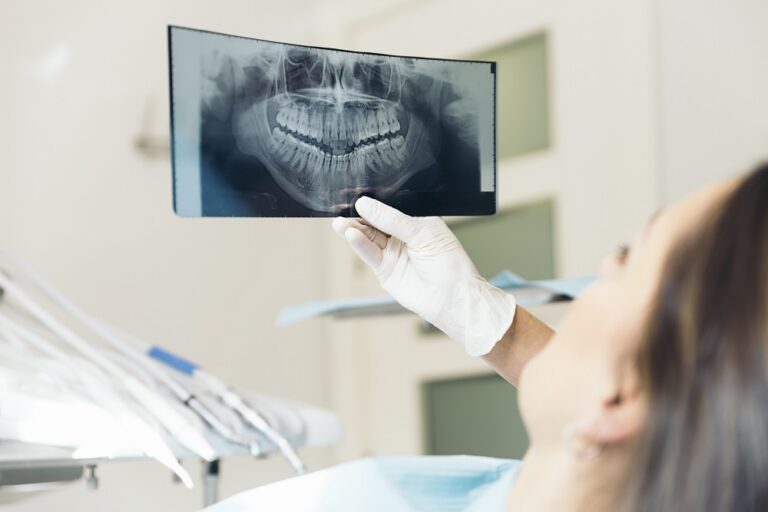
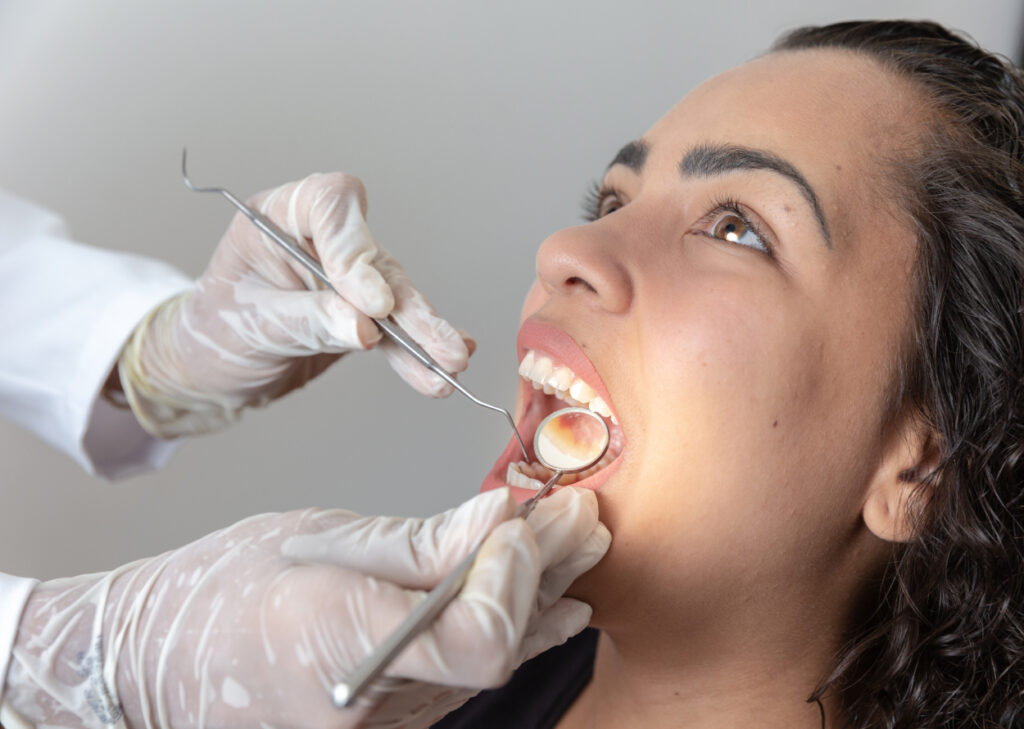
Periodontal disease is one of those conditions that can look deceptively quiet while doing lasting damage. A patient may notice some bleeding when brushing, a little tenderness, maybe a bad taste that comes and goes. Meanwhile, the supporting structures around the teeth are changing in ways that are not always obvious until mobility, recession, or tooth loss enters the picture. That gap between what patients feel and what the tissues are doing is one reason discussions about periodontal treatment often need more nuance than a simple success or failure label.
When people ask about periodontal treatment success rates, they are usually asking a few different questions at once. Will the gums stop bleeding? Will the bone grow back? Will the teeth stay in place for years? Will surgery be needed? And perhaps most practically, what are the odds that the problem returns? Research can answer parts of those questions well, but only if the terms are defined carefully. In periodontology, success is not a single endpoint. It can mean reduced pocket depth, improved attachment levels, decreased inflammation, fewer deep bleeding sites, stable radiographs, lower tooth loss over time, or a combination of all of them.
That distinction matters, because periodontal treatment is often very effective at controlling disease, yet less predictable at fully rebuilding what was already lost. The research base is strong on that point. Non-surgical and surgical approaches can substantially improve periodontal health, especially when treatment is paired with excellent home care and ongoing maintenance. But the degree of improvement depends heavily on disease severity, smoking status, systemic health, defect anatomy, and whether the patient returns for supportive care after active treatment ends.
What counts as success in periodontal treatment
Researchers tend to measure periodontal treatment outcomes using several core clinical markers. Pocket depth reduction is one of the most familiar. Deep periodontal pockets, particularly those 5 mm and above, are harder for patients to clean and more likely to harbor pathogenic biofilm. When treatment reduces those depths, inflammation often falls and long-term stability becomes more achievable.
Clinical attachment level is another major endpoint. Attachment gain reflects improvement in how the tissue support around a tooth is positioned relative to the root. Bleeding on probing is also important because persistent bleeding suggests unresolved inflammation. Tooth survival, especially over five to ten years, may be the most meaningful measure to patients, even if it is slower to capture in a study.
These markers do not always move in lockstep. A site may show excellent bleeding control but only modest attachment gain. Another may retain a deeper pocket yet remain stable under regular maintenance for years. In daily practice, that is why experienced clinicians look for a pattern rather than a single number. A mouth with fewer deep pockets, less bleeding, consistent plaque control, and no progressive bone loss is generally doing well, even if every site does not return to textbook ideals.
What the evidence says about non-surgical periodontal treatment
For many patients, treatment begins with non-surgical therapy, usually scaling and root planing, along with detailed oral hygiene instruction and risk-factor counseling. This is often the foundation of periodontal treatment, and for mild to moderate periodontitis it can produce meaningful improvement without surgery.
Research over several decades has shown that scaling and root planing reliably reduces probing depths and bleeding, especially in initially deeper sites. Shallow pockets do not change much, which is expected and usually desirable. Moderately deep pockets often improve noticeably. Deep pockets can improve as well, though some remain residual problem areas after initial therapy.
A practical way to interpret the literature is this: non-surgical treatment works best at reducing inflammation and shrinking diseased pockets into a more maintainable range. In moderate cases, pocket reduction of around 1 to 2 mm is common, with larger changes possible in deeper sites. Clinical attachment gains tend to be more modest, often in the 0.5 to 1.5 mm range depending on baseline depth, technique, and follow-up period. Those numbers may sound small outside dentistry, but in periodontal terms they can be clinically significant.
One of the most important findings in the literature is that treatment response is not uniform throughout the mouth. Single-rooted teeth, accessible surfaces, and moderate pocketing often respond better than complex furcations, vertical defects, or molars with difficult root anatomy. That is a common real-world scenario: after a careful course of non-surgical therapy, most sites improve, while a small cluster of posterior areas continues to bleed or probe deeply. Those are often the areas that drive the next treatment decision.
There is also good evidence that proper debridement plus strong plaque control can significantly reduce the bacterial burden associated with active disease. That microbiologic shift is part of why patients often report less tenderness and bleeding fairly quickly after treatment, even before longer-term structural changes can be assessed.
Success rates are highest when maintenance is not treated as optional
One of the clearest patterns in periodontal research is that initial treatment and long-term maintenance are inseparable. Periodontal treatment can fail on paper even after technically excellent care if the patient disappears for several years, resumes smoking, or cannot maintain plaque control around difficult restorations and crowded teeth.
Supportive periodontal therapy, sometimes called periodontal maintenance, consistently improves long-term outcomes. Studies following treated patients over years show lower rates of attachment loss and tooth loss among those who return at recommended intervals, often every three to four months at first, then adjusted based on risk. Patients who keep maintenance visits tend to have better bleeding scores, fewer recurrent deep pockets, and more stable dentition.
This is not a minor detail. It is the difference between temporary improvement and disease control. In periodontal care, the active treatment phase opens the door, but maintenance is what keeps it from swinging shut again.
A simple way to understand the factors that most influence long-term success is this:
- smoking status
- diabetes control
- home plaque control
- regular periodontal maintenance
- the original severity and pattern of disease
Each of these can shift the expected outcome substantially. A non-smoker with well-controlled diabetes, good dexterity, and regular maintenance may keep a treated dentition stable for decades. A smoker with generalized deep pockets and erratic follow-up may lose attachment despite repeated intervention.
What surgical periodontal treatment adds
Surgery enters the conversation when non-surgical therapy leaves behind sites that remain too deep, too inflamed, or too anatomically complex to manage predictably. Periodontal surgery is not a sign that initial treatment failed. Often it means the initial phase did exactly what it was supposed to do: it reduced generalized inflammation and revealed the smaller number of residual sites that need more direct access or regeneration.
Different surgical procedures answer different clinical problems. Open flap debridement improves visibility and access for root cleaning. Osseous surgery reshapes irregular bony architecture to reduce defect-related pocketing. Regenerative procedures, such as guided tissue regeneration or the use of bone grafts and biologic materials, aim to rebuild lost periodontal support in selected defects. Soft tissue grafting addresses recession rather than active periodontitis, but it can improve root coverage, comfort, and plaque control.
The success rates for surgical periodontal treatment vary more than many patient-facing summaries suggest. Access flap procedures predictably reduce deep pockets, often more than non-surgical therapy alone in severe sites. Regenerative procedures can achieve meaningful attachment gain and radiographic fill in well-selected intrabony defects, but outcomes depend on defect shape, patient habits, membrane or material choice, and operator technique.
In the literature, regenerative treatment often performs best in contained defects with favorable anatomy, especially narrow, deep intrabony lesions and certain class II furcations. Gains in clinical attachment and reductions in probing depth can be significant, sometimes in the 2 to 4 mm range in ideal cases. That said, not every defect is regenerative. In practice, case selection matters as much as material selection. A graft is not magic if the environment around it is unstable, contaminated by plaque, or compromised by smoking.
Tooth survival is often better than patients expect
Patients sometimes assume that a tooth with bone loss is already on borrowed time. Research does not support that view, at least not broadly. Many teeth affected by periodontitis can function for long periods after treatment, especially when the disease is brought under control and maintenance is consistent.
Long-term cohort studies in periodontal practice settings have repeatedly shown that treated patients lose relatively few teeth per year on average, particularly under supportive care. Tooth loss rates vary by study design and patient risk profile, but the general pattern is reassuring. After active treatment, many patients retain most of their teeth for years or decades. The teeth at greatest risk tend to be molars with furcation involvement, teeth with severe mobility, and sites in patients who smoke heavily or miss maintenance appointments.
This is one area where clinical experience aligns closely with published data. It is not unusual to see a patient who was once told several teeth were hopeless return years later with most of that dentition still in function because the inflammatory burden was reduced and the maintenance routine became consistent. The opposite can happen too. Teeth that looked salvageable can decline quickly when follow-up disappears.
Smoking changes the equation
If there is one risk factor that repeatedly stands out in periodontal treatment research, it is smoking. Smokers tend to have more severe disease, poorer healing, less favorable response to both non-surgical and surgical therapy, and worse long-term stability. They may also show less overt bleeding despite active disease, which can make tissue breakdown harder to appreciate without full periodontal charting.
The effect is not subtle. Smoking has been linked to smaller probing depth reductions, less attachment gain, and lower success rates in regenerative procedures. Heavy smokers generally fare worse than light smokers, and former smokers often improve their treatment response over time. This is one of the most practical counseling points in periodontology because the difference in outcomes can be large enough to alter the treatment plan itself. A regenerative procedure that looks promising in a non-smoker may become far less predictable in a patient who smokes a pack a day.
Diabetes and periodontal treatment outcomes
Diabetes deserves separate attention because the relationship runs in both directions. Poor glycemic control is associated with more severe periodontitis and a less favorable response to treatment. Periodontal inflammation can also make diabetes management harder. Research suggests that patients with well-controlled diabetes can respond to periodontal treatment in a way that is much closer to non-diabetic patients, while poorly controlled diabetes is associated with more complications and slower improvement.
This is not a reason to defer care indefinitely. Quite the opposite. It means coordination matters. If a patient is struggling with glycemic control, periodontal treatment can still reduce inflammation and bacterial load, but expectations need to be realistic and follow-up needs to be tighter. In practice, some of the best outcomes come when the dentist, hygienist, and physician all reinforce the same message: the mouth is part of systemic care, not separate from it.
The challenge of advanced disease
Success rates become harder to summarize in advanced periodontitis because the starting point varies so much. A patient with generalized stage III or IV disease may have deep circumferential defects, pathologic migration, secondary occlusal trauma, recession, mobility, and restorative complications all at once. In those cases, periodontal treatment is rarely just about cleaning roots or placing a graft. It becomes a sequencing problem.
The clinician may need to reduce inflammation first, then reassess mobility, then decide whether certain teeth are maintainable, then coordinate restorative or orthodontic care after the periodontal condition stabilizes. That is why published averages can be useful but limited. They do not fully capture the strategic side of treatment planning.
Still, the research supports a key point: even advanced disease often responds well enough to preserve a meaningful number of teeth, improve comfort, and reduce future breakdown. The goal shifts from perfect tissue architecture to durable function and manageable maintenance. Patients sometimes hear that shift as a downgrade. It is not. It is a realistic expression of how chronic disease is controlled in medicine and dentistry alike.
Adjunctive therapies, where they help and where they do not
Adjunctive treatments, such as local antimicrobials, systemic antibiotics, lasers, host modulation, and biologic materials, receive a great deal of attention. Some are useful in selected situations. Few replace the fundamentals.
Systemic antibiotics can improve outcomes in certain cases, particularly aggressive or rapidly progressing forms of periodontitis, but they are not routine for every patient and should be used judiciously. Local antimicrobials may help in isolated residual pockets, though the magnitude of benefit is often modest compared with thorough mechanical debridement and maintenance. Laser-assisted approaches remain a mixed area in the literature. Some studies show benefit in specific protocols, while others show little added value beyond conventional care. The problem is not that lasers never help. It is that claims often outpace consistent, high-quality evidence.
The same caution applies to branded regenerative products. Some biomaterials and biologics clearly have a place, but outcomes still rise or fall on case selection, defect morphology, plaque control, and technique. There is no adjunct that overrules poor maintenance.
Why some treated sites relapse
Relapse is one of the most frustrating aspects of periodontal care because it often seems selective. A patient can improve dramatically overall yet return with bleeding and deeper probing at the same https://johnathanoote156.almoheet-travel.com/periodontal-treatment-success-rates-what-the-research-shows two molars over and over. Research and clinical experience point to recurring reasons for this pattern. Furcation anatomy, overhanging restorations, root grooves, open contacts that trap food, reduced dexterity, bruxism, and local plaque-retentive factors can create small zones of ongoing risk even when the rest of the mouth is stable.
When treatment appears to fail in just a few sites, the next step is not always more aggressive therapy. Sometimes it is redesigning the local environment. A contour change in a crown, a better interdental cleaning aid, minor occlusal adjustment, or choosing extraction over repeated rescue attempts can produce a more honest long-term result than another round of heroic intervention.
This is where periodontal treatment becomes less about protocols and more about judgment. Two patients can have the same pocket depth on paper and entirely different prognoses based on anatomy, habits, and their ability to maintain the area.
What patients can realistically expect after treatment
Most patients want a clear answer to a simple question: will it work? The honest answer is yes, often very well, if success is defined as controlling inflammation, reducing pocket depths, stabilizing attachment, and helping teeth last much longer than untreated disease would allow. If success is defined as complete reversal of all bone loss, flawless gum contours, and zero chance of recurrence, the answer is more guarded.
A practical expectation after well-executed periodontal treatment is that bleeding should decrease substantially, oral hygiene should become more effective, deeper sites should become fewer and easier to maintain, and the risk of ongoing destruction should drop. Some teeth may still need splinting, crown lengthening, regeneration, extraction, or implant planning. Periodontal care does not eliminate every restorative or functional problem. What it does is create the healthiest biologic foundation possible for whatever comes next.
Patients often do best when they understand three things early. First, the disease is controllable but chronic. Second, maintenance visits are part of treatment, not an afterthought. Third, their own daily care has measurable influence on outcomes. That final point is not motivational fluff. It is borne out repeatedly in the data.
Reading success rates with a critical eye
Published success rates for periodontal treatment can look inconsistent because studies use different definitions, time frames, and patient populations. A trial may report mean pocket reduction at six months, while another focuses on tooth survival over ten years. One may exclude smokers and medically complex patients, while another reflects routine specialty practice. Those are not contradictions. They are different lenses on the same field.
When comparing studies, it helps to ask a few basic questions:
- What kind of periodontitis was treated?
- Was the treatment non-surgical, surgical, or regenerative?
- How long were patients followed?
- Were smokers or uncontrolled diabetics included?
- Did patients receive regular supportive periodontal therapy?
These details explain a great deal of the variation. They also explain why the best periodontal clinicians are careful with promises. The research gives strong reason for optimism, but it also teaches humility. Biology does not always behave neatly, and long-term stability is earned through repeated small decisions long after the deep cleaning or surgery is done.
The bigger picture
The strongest takeaway from the research is not that one procedure has the highest headline percentage. It is that periodontal treatment works best as a system. Accurate diagnosis, mechanical debridement, risk-factor control, selective surgery when needed, and disciplined maintenance together produce the highest success rates. Remove one of those pieces, especially maintenance or smoking control, and outcomes deteriorate.
That may not sound dramatic, but it is clinically powerful. Treated periodontitis is often compatible with long-term comfort, function, and tooth retention. That is a meaningful success by any standard that matters to patients. The evidence does not support hopelessness, and it does not support shortcuts either. Periodontal treatment is effective, but its best results come from steady, well-executed care and realistic expectations sustained over time.
Avra Dental
Address: 1708 S Victoria Ave B, Ventura, CA 93003
Phone number: (805) 941-1001
FAQ About Periodontal Treatment
Can a dentist get rid of periodontal disease?
A dentist or gum specialist (periodontist) cannot fully cure or reverse advanced periodontal disease (periodontitis), but they can successfully stop its progression and manage the infection.
Is periodontitis very serious?
Yes, periodontitis is a very serious, advanced form of gum disease that destroys the bone and tissues supporting your teeth.
How is stage 2 periodontal disease treated?
Stage 2 periodontal disease (early to moderate periodontitis) is primarily treated with non-surgical deep cleaning procedures like scaling and root planing to remove bacteria and tartar below the gumline.